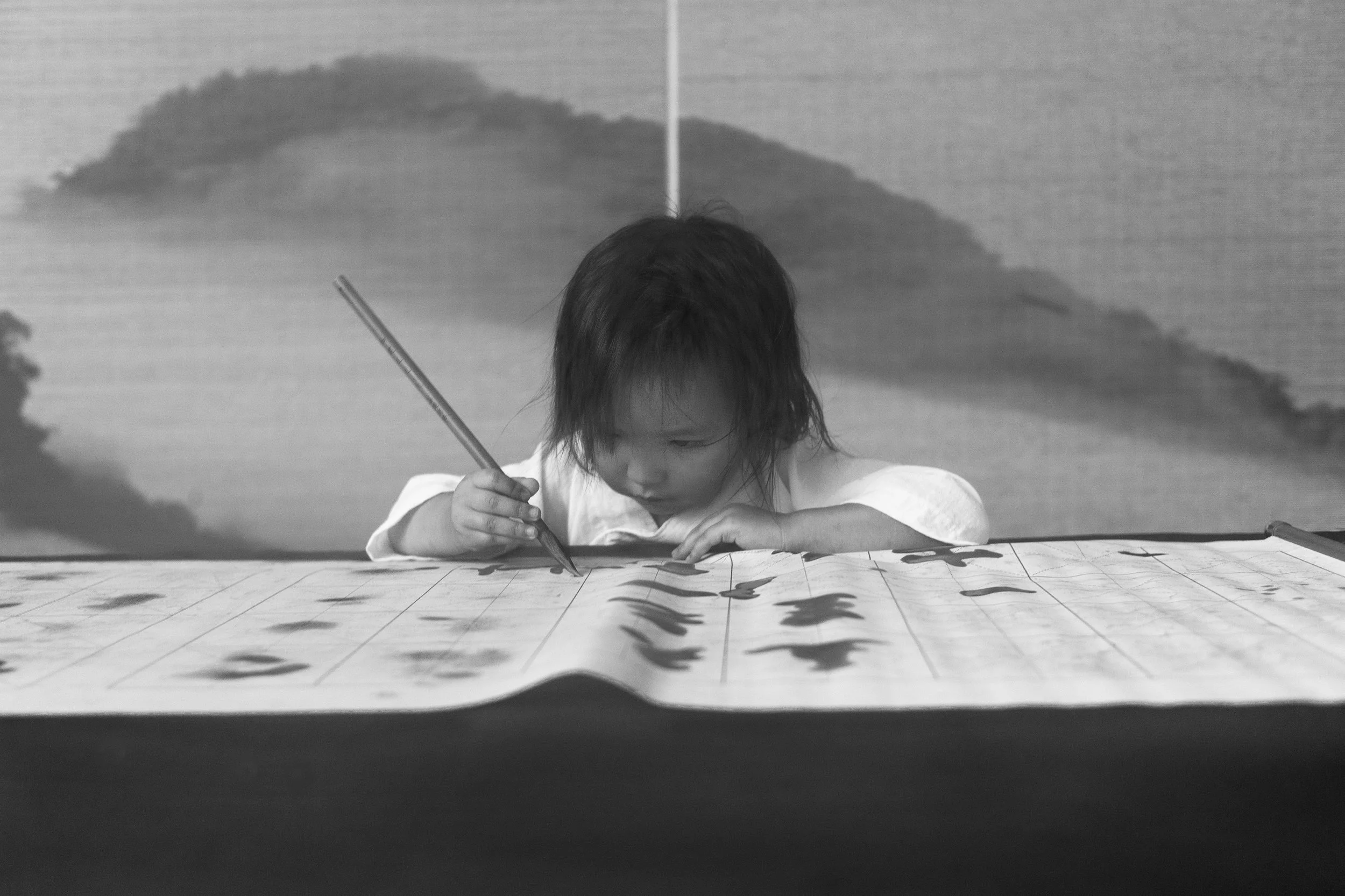
Practices offered at the Wudang Sanfeng school

The content of the Wudang Xuan Wu Pai family library, as practiced and taught at the Wudang Sanfeng school under the guidance of Master Yuan Limin, is vast and constantly evolving.
Transmission follows a living dynamic, adapting to the natural cycles of transformation and to all practitioners.
Within the Wudang Sanfeng school, we find a set of practices that form a Great System of internal arts, known as NeijiaQuan.
Here is an overview of some of these practices taught by Master Yuan Limin.
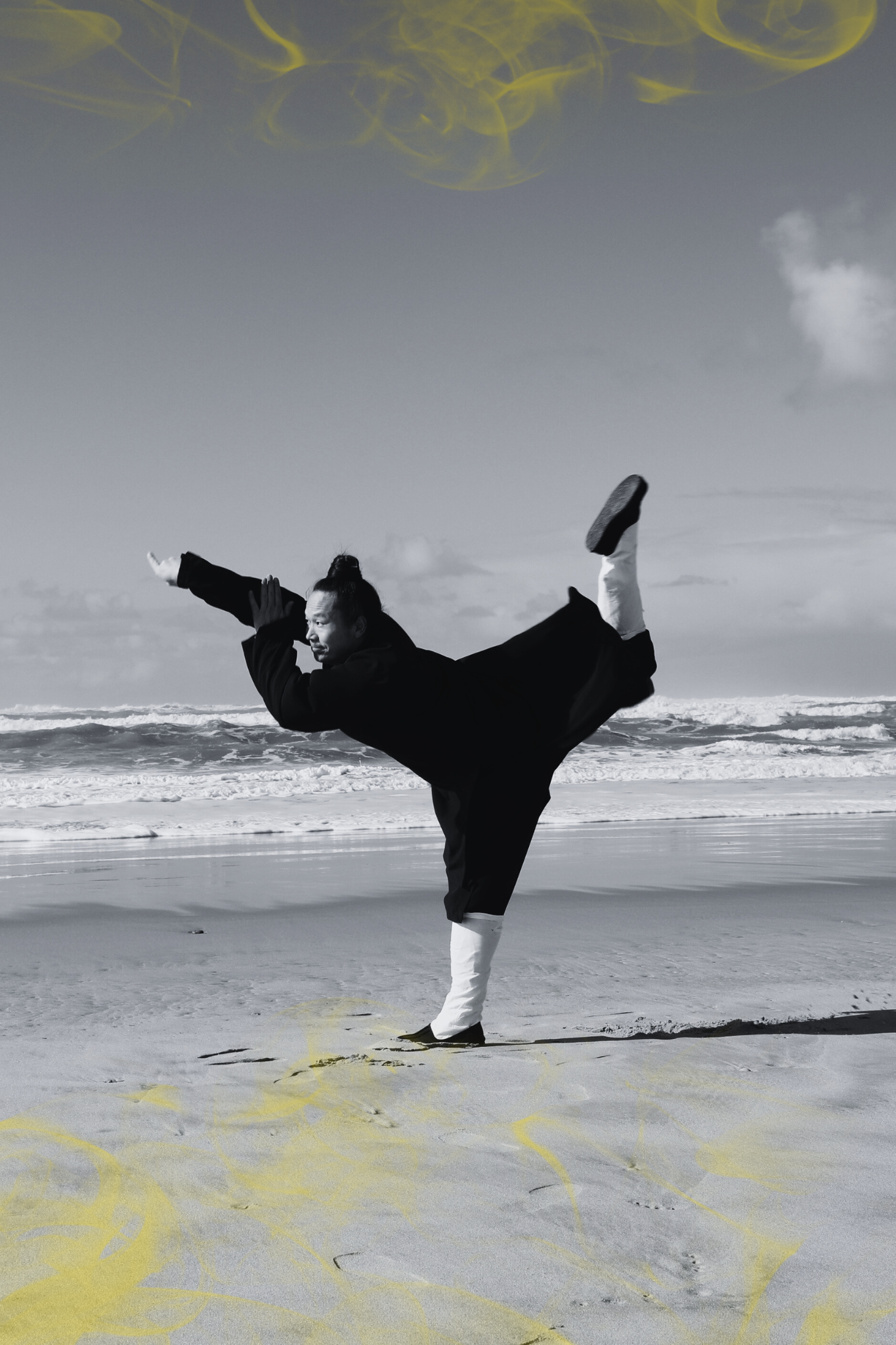
Gong fu 气功
Wudang Kung Fu, a true pillar of Taoist martial arts, is a complete system combining different interdisciplinary qualities. Its practice builds the foundations needed for all martial practice.
Practice of basic and fundamental exercises of Wudang Gong Fu (Jiben Gong, Gong Fa, Ya Tui Ti Tui…)
Learning Wudang Kung Fu forms such as Wu Xing Bafa, Wu Bu Quan, Ba Duan Ma, Yu Bei Lian Huan Quan…
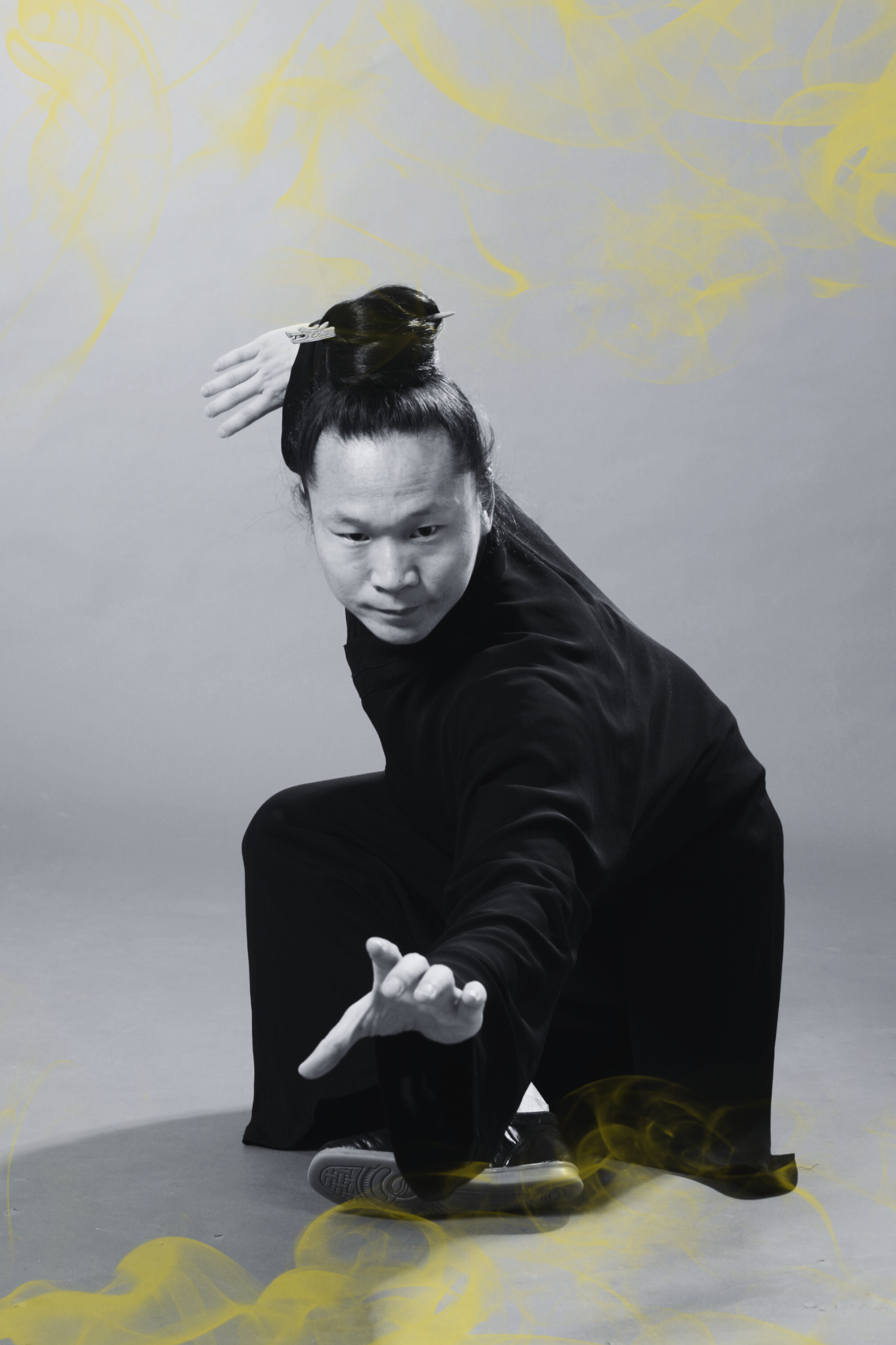
Xing Yi Quan 形意拳
Wudang’s Form and Intention Boxing is a pillar of internal martial arts, combining power and fluidity. Its practice draws on the principles of the 5 elements and the 12 animals, offering a complete system that develops both body and mind.
Work on basic and fundamental Xing Yi Quan exercises: Jiben Gong, development of physical abilities, development of movement skills, and static work.
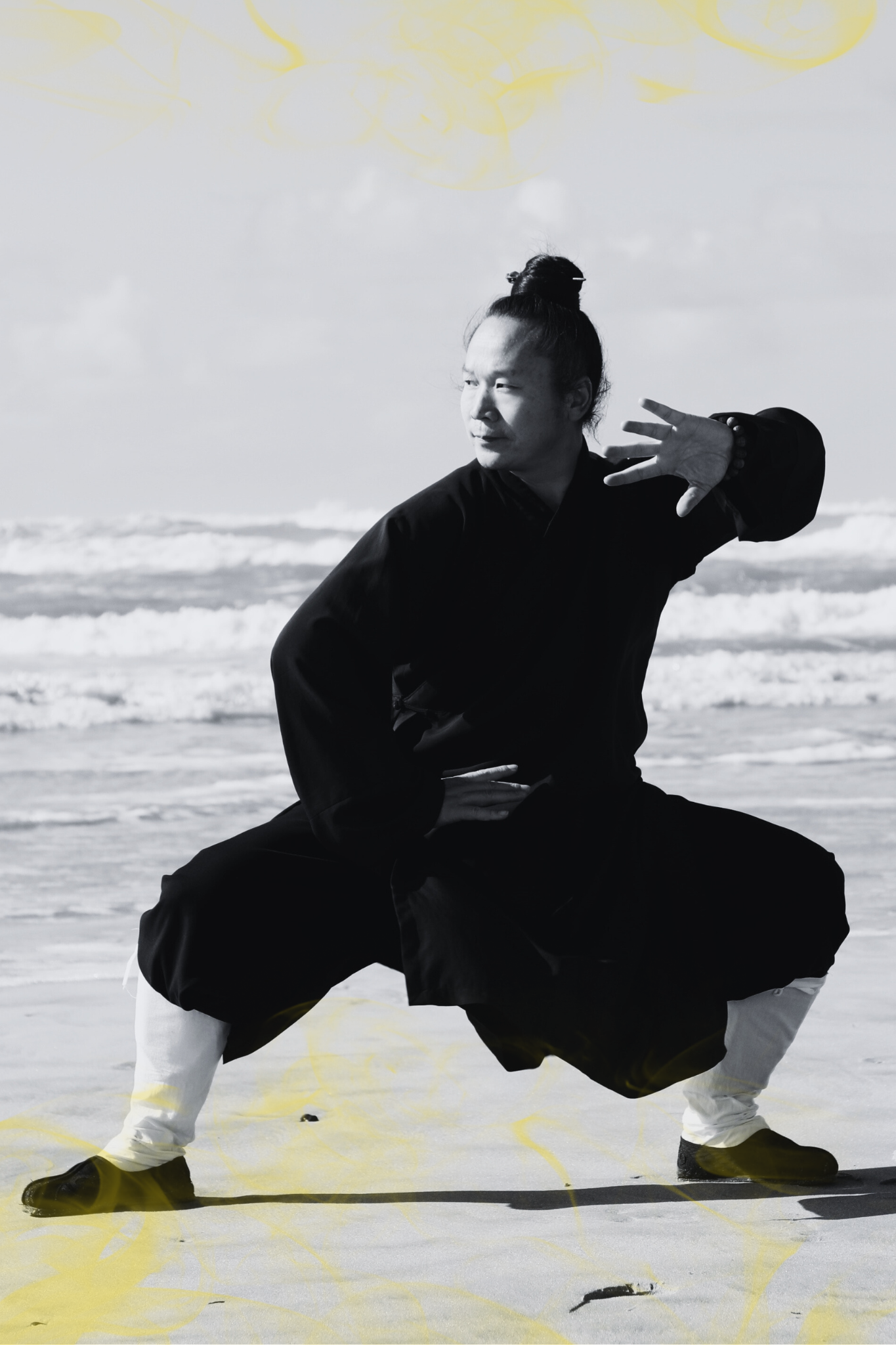
Taijiquan 太极
Wudang Taiji Quan, passed down by Master Yuan Li Min, is a subtle and profound art combining the principles of Taoist thought, internal martial arts, and traditional Chinese medicine.
Practice of basic internal arts exercises to open and structure the body, developing understanding of the subtle mechanics of Qi: general and specific Jiben Gong, Tang Ni Bu, static postures, study and application of the treatises of Zhang Sanfeng and Wang Zong Yue..
Learning the forms: 13 fundamental principles, 18-step Taiji, 36-step, 48-step, Dan Dao Taijiquan, 13 Potentials Taiji, Boxing of Ease and Freedom…
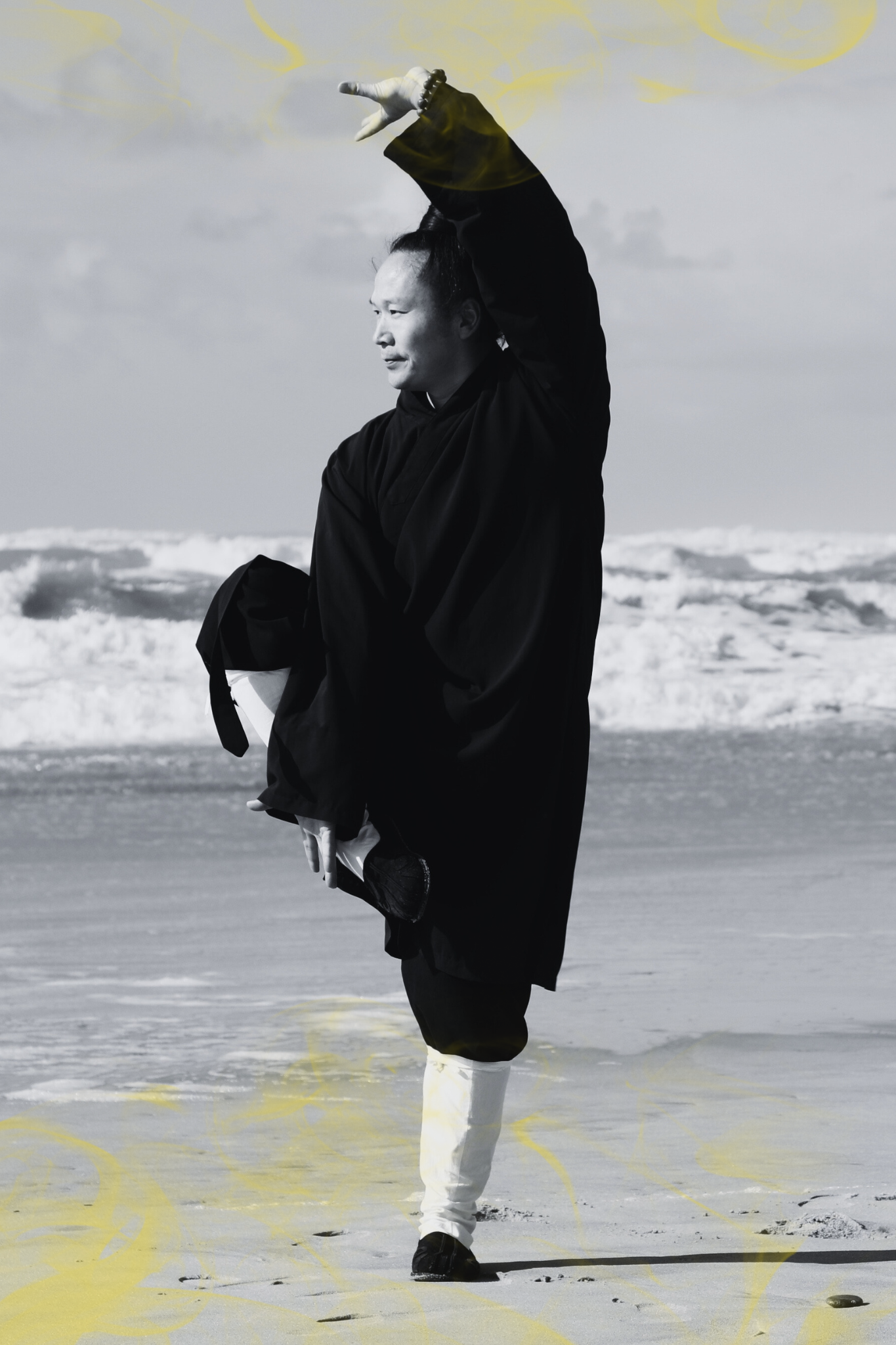
Bagua Zhang ⼋卦掌
Bagua Zhang draws its roots from the Yijing (Classic of Changes) and draws inspiration from the eight trigrams to structure the practice around eight directions
Practice of basic and fundamental Bagua Zhang exercises: circle walking, Jiben Gong, static Bagua postures, martial applications.
Study of the forms of Lao Bagua Zhang, Yin Yang Bagua Zhang, Youshen Bagua Zhang, Bagua Zhuanshen Zhang…
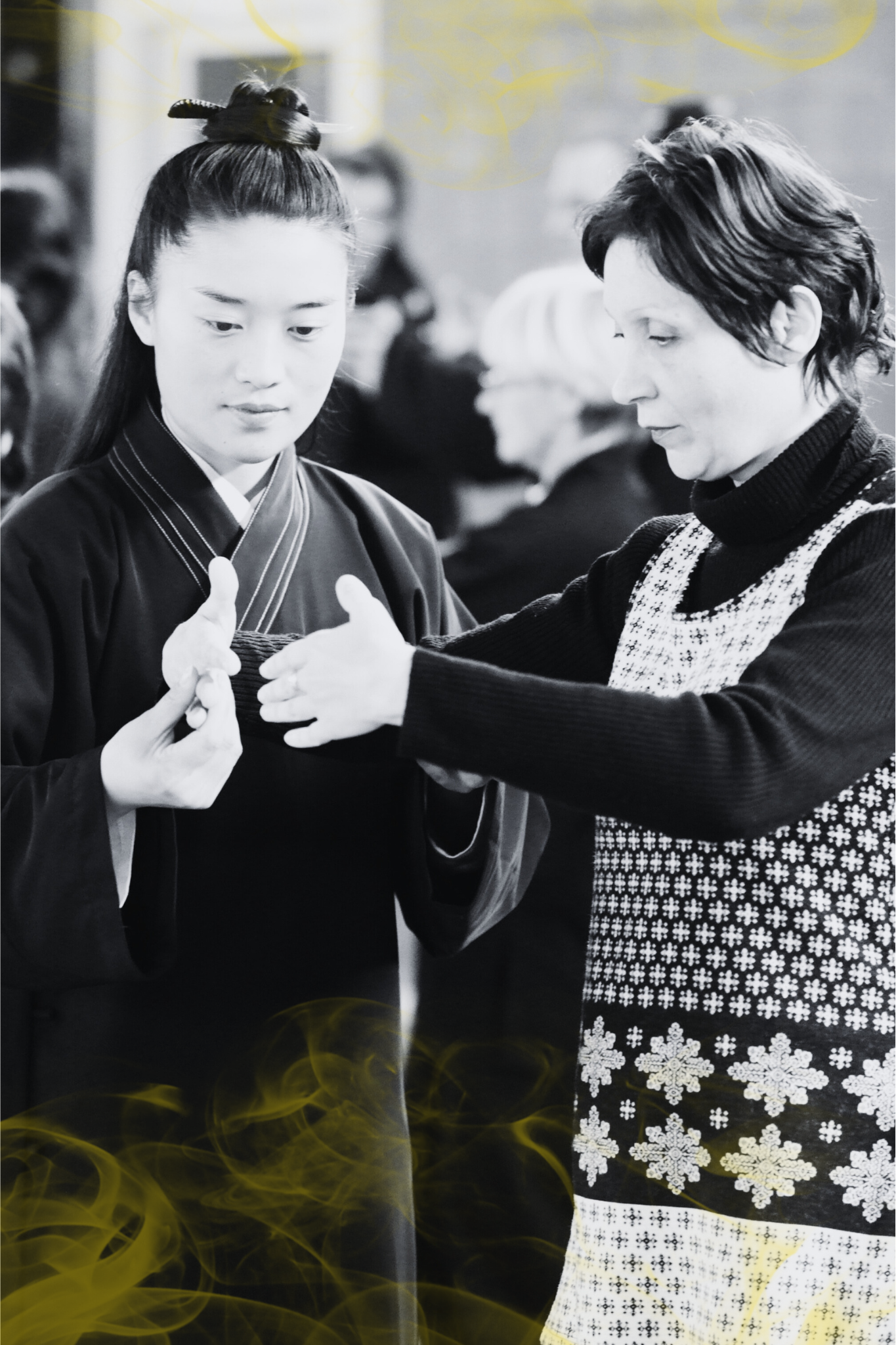
Qi Gong 气功
Wudang Qi Gong is rooted in Taoist tradition and draws inspiration from the principles of the Dao De Jing and Yin-Yang; it aims to reharmonize the five movements (五行 wǔ xíng) to promote internal balance and nurture true health.
Work on basic Qi Gong exercises: connecting with the body, working on relaxation and proper posture, practicing Jiben Gong, walking exercises, and basic static postures such as Wuji Zhuang.
Study of Qi Gong forms: the 5 Animals / 5 Movements, Wudang Daoyin Yang Sheng Gong, Wudang Nei Dan Gong, Zhang Sanfeng Zao Wan Gong…
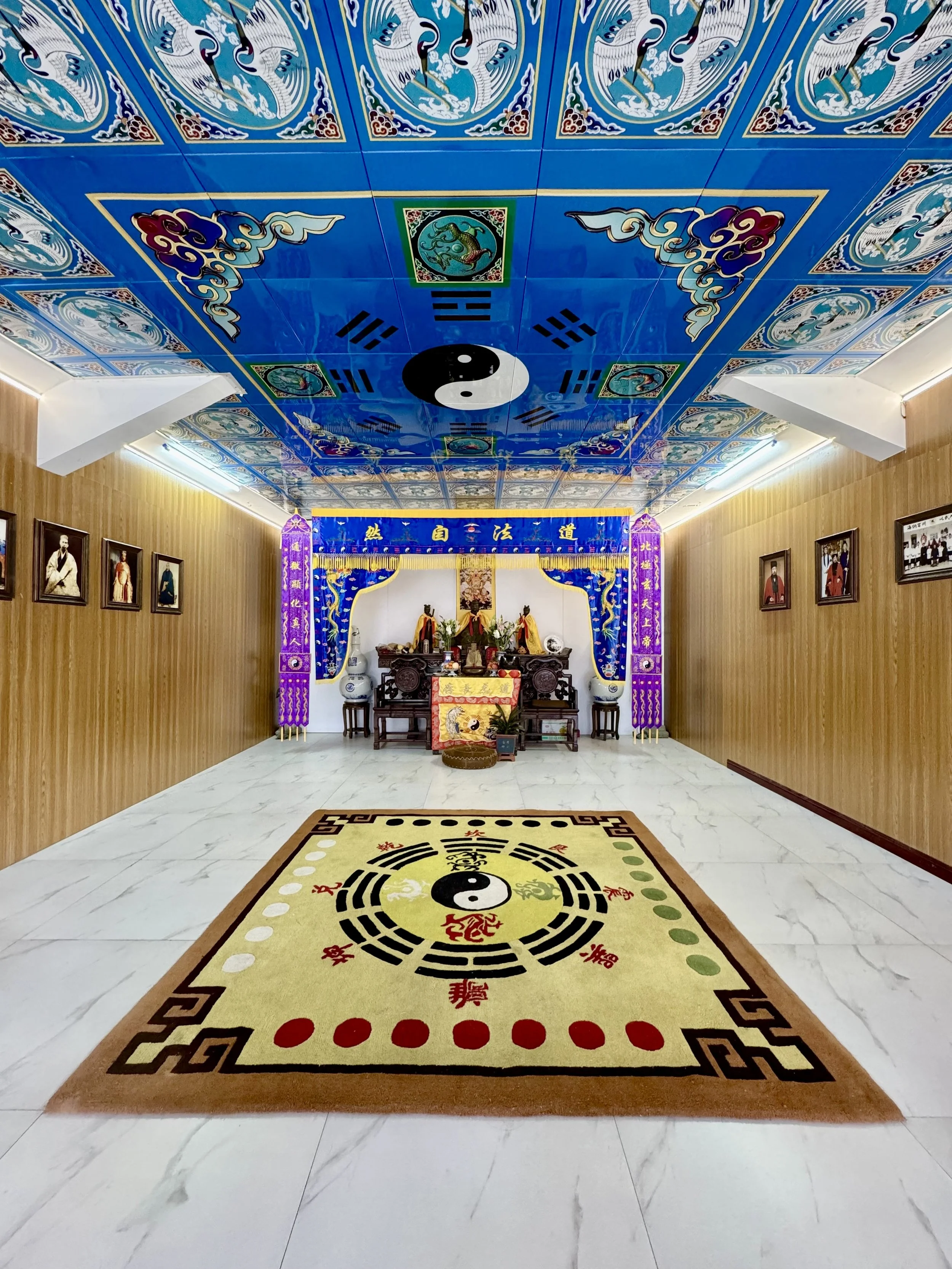
Taoist Culture
Alongside the practice of martial arts, the study of Taoist classics such as the Dao De Jing and the Qing Jing Jing accompanies the daily work of inner cultivation (xiūxīn xiūdé), supported by the ritual dawn practice and a constant return to the essence of the Dao.
-
Development and practice: lightness technique, relaxation technique, Qi rooting technique, body cohesion technique, coordination exercises, internal and external suppleness technique, internal and external harmony technique.
-
In the Xuan Wu Pai system passed down at the school, thirteen fundamental postures serve as reference points in the practitioner’s development. They are revealed progressively, along the path and disciplines explored — Qi Gong, Taiji, Bagua, or Xingyi. Each posture plays a key role in structuring the body, developing internal skills, and refining the Qi, forming a common foundation for all the practices.
-
Possible weapons to learn: Sword, Fuchen, Staff, Saber, Chain…
Opportunity to discover the following forms: Taiji Sword, 7-Star Sword, Dan Sword, 6-Liu Sword, Xuan Wu Staff, Taiyi Fuchen…